
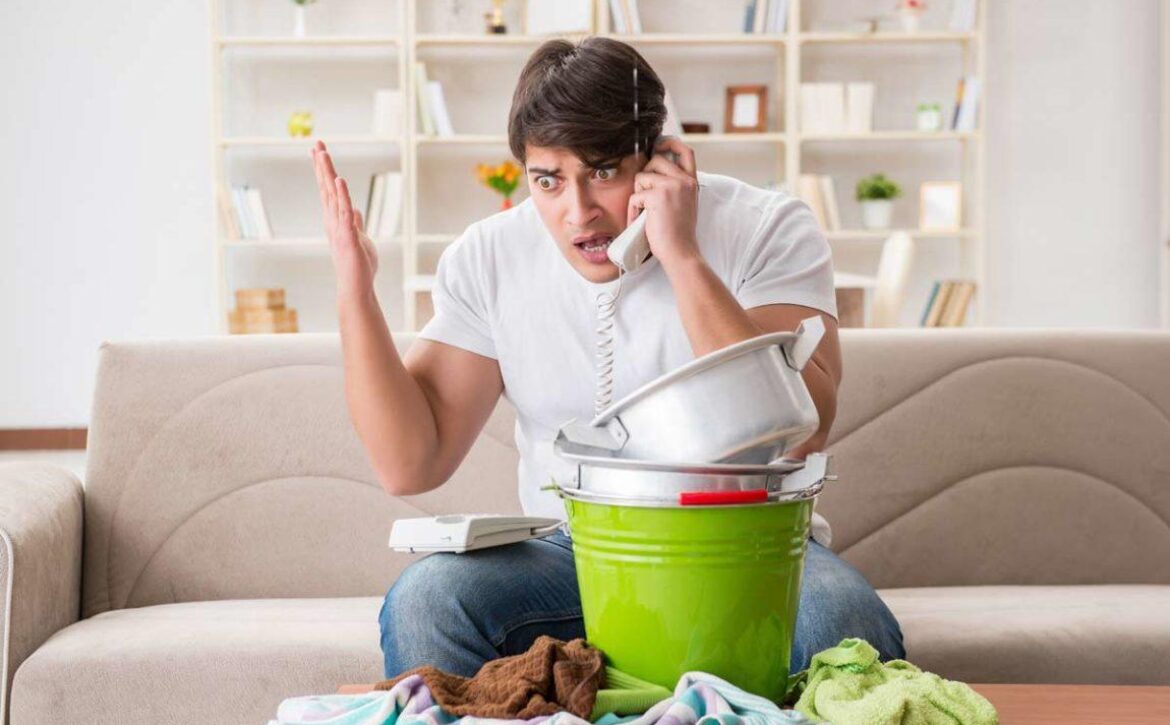
Before You Call a 24-Hour Emergency Plumber
Proactive Plumbing: A Comprehensive Guide to Handling Emergencies and Preparing for the Plumber’s Arrival
Introduction: Homeowners inevitably encounter plumbing issues that can lead to panic. This comprehensive guide provides proactive steps tailored for USA homeowners facing plumbing crises, offering a strategic approach to minimize damage and costs.
- DIY Quick Fixes: Tackle common plumbing issues with DIY repairs before considering a 24-hour plumber. From addressing low water pressure to fixing leaking traps, these quick fixes empower homeowners to take initiative.
- Water Shutdown Strategy: In a plumbing emergency, the first crucial step is to shut off the water. Locate fixture shutoff valves or use the main water supply at the meter. Understanding your home’s water system is key to effective water shutdown.
- Assessing Urgency: Evaluate the urgency of plumbing repairs by distinguishing between immediate attention needs, like an overflowing toilet, and issues that can wait until regular business hours. This assessment helps in prioritizing actions.
- Rapid Water Supply Line Leak: Prepare for a plumber’s visit in the event of a water line burst. Quickly locate intermediary water supply cut-off valves or the main water shut-off valve to minimize flooding before professional help arrives.
- No Water in the House: When water stops flowing, conduct checks for localized issues and potential serious concerns like a burst pipe leading from the water meter. Prompt action is necessary to address the root cause.
- Rapid Drainage Line Leak: While DIY fixes work for common leaks under sinks, immediate action is vital for leaks sealed behind walls or under floors. Contact a plumber promptly to prevent extensive damage to walls, subfloors, or floor coverings.
- Sewer Line Leak Awareness: Recognize signs of a sewer line issue, such as pools of smelly water in the yard. Understand the importance of calling a plumbing company for sewer line repairs, crucial for the proper functioning of your home.
- Gas Leak Caution: In the case of a suspected gas leak, prioritize safety by evacuating, calling emergency services, and contacting the gas company. Only return to investigate after your home is deemed safe, consulting a plumber if necessary.
- Effective Communication with a Plumber: When calling a 24-hour plumber, articulate the issue clearly. Note what is working and what isn’t, providing specific details for a more accurate cost estimate. Prepare a list of questions to streamline the plumber’s visit.
- Getting Multiple Quotes: Before scheduling a service call, obtain quotes from several plumbers. Understand potential costs, including emergency service fees, and ask for estimates of both the service call and the repair.
- Coordinating with Civic Services: For major problems like mainline water breaks or sewer blockages, consider involving your civic water or sewer service division. Some emergency situations may be covered, potentially saving you on repair costs.
Conclusion: Taking proactive steps during a plumbing emergency significantly minimizes damage and costs. Follow these guidelines to address immediate concerns and facilitate effective communication with a plumber. Timely action and preparation are key to handling unexpected plumbing issues with confidence.