Mastering DIY Plumbing: A Comprehensive Guide to Saving Time and Money





Previous
Next
Mastering DIY Plumbing: A Comprehensive Guide to Saving Time and Money
Introduction:
Plumbing issues can be a homeowner’s nightmare, leading to inconvenience, potential damage, and the inevitable call to a professional plumber. However, not all plumbing problems require a costly intervention. By mastering some do-it-yourself (DIY) plumbing tips, you can save both time and money. In this comprehensive guide, we will explore ten essential DIY plumbing techniques that every homeowner should know.
- Quickly Fix a Leaking Faucet:
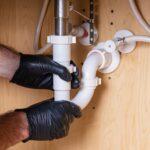
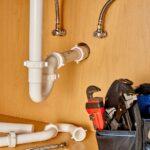
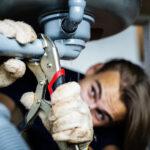
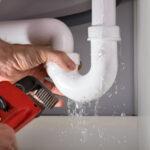
A leaking faucet is a common household woe, often stemming from a worn-out or broken washer. The washer, a small plastic or rubber ring inside the pipe, can be accessed by unscrewing the U pipe beneath the sink using an adjustable wrench. Once exposed, replacing the aged washer can often resolve the leak without the need for a professional plumber. It’s crucial to note that modern faucets equipped with cartridges might require more intricate repairs.
- Unclog the Drain:
Clogged drains are a prevalent issue, and while commercial drain cleaners are a common go-to solution, they often contain harmful chemicals that can damage pipes and pose health risks. Instead, opt for a plunger to clear kitchen sink clogs. Place the plunger over the drain, creating a seal, and give it a few sharp plunges. This DIY method is not only effective but also prevents potential damage from chemical drain cleaners.
- Fix the Blocked Toilet:
Dealing with a blocked toilet can be an embarrassing situation, but it doesn’t always necessitate an emergency plumbing service. A plunger is a homeowner’s best friend in such scenarios. Fill the toilet bowl with water, use the plunger to create a seal, and give two sharp pushes. Flushing the toilet afterward should clear the blockage. This simple yet effective DIY method can save you from the discomfort of calling a professional plumber for a seemingly minor issue.
- Don’t Damage the Pipes:
Engaging in home improvement projects can inadvertently lead to damaged pipes if proper precautions aren’t taken. To avoid this, invest in a cheap stud finder. Use it whenever drilling or hammering is involved to ensure you don’t accidentally damage essential plumbing lines. This DIY step is a proactive measure to prevent potential costly repairs and water damage.
- Check the Timers:
Water heater issues can be a common cause for concern, especially when hot water is unavailable. Before reaching out to a residential plumbing service, perform some troubleshooting. Check if the pilot light is lit and follow the water heater’s instructions to relight it if necessary. Adjust the thermostat to ensure it’s set at the desired temperature. This DIY approach can help you identify and resolve minor water heater issues without professional assistance.
- Be Careful What You Flush:
Prevention is key when it comes to plumbing issues. While products like flushable wipes are marketed as safe for toilets, they can still contribute to clogged drains. In reality, these wipes may not break down as efficiently as toilet paper. To avoid potential clogs, it’s advisable to be mindful of what you flush. Opt for disposing of non-flushable items in the trash to prevent the need for a plumber’s intervention.
- Clean Up Your Showerhead:
Low water pressure in the shower can be a frustrating issue, often caused by mineral deposits clogging the showerhead nozzles. To address this, inspect the nozzles and use your fingers to massage and remove mineral build-up. Another effective method is to soak the showerhead in white vinegar for approximately five minutes. Afterward, run water through it to clear out the vinegar. This simple DIY solution can restore your shower’s water pressure without requiring plumbing repairs.
- Avoid Irritating Sounds:
Noise pollution from vibrating pipes or adjacent sink basins can be an annoyance. Instead of immediately calling a plumber, consider using expanding foam as a DIY solution. Apply the foam to the problematic area, and once dried, trim away excess foam with a knife for a neat finish. This cost-effective and straightforward method can help you eliminate irritating sounds without professional assistance.
- Check out the Hidden Spaces:
Before delving into home improvement projects that involve drilling or impacting walls and floorboards, it’s crucial to know what lies within these hidden spaces. Professional plumbers often perform this step during leak detection or when dealing with drain line issues. While DIY enthusiasts may not have the advanced tools of a plumber, a basic understanding of what’s inside walls and under floorboards can prevent accidental damage to essential plumbing elements.
- Avoid Mess When Pulling out a Kitchen Sink Trap:
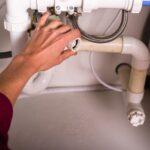
Removing a kitchen sink trap may be necessary when dealing with drain line clogs. While this task may seem daunting, a simple DIY method can make it more manageable. Before removing the trap, use a bathroom plunger to relieve some pressure. Plunge one side of a double sink while covering the other with your hand. This technique can clear the trap, making it easier to remove and address the blockage. By adopting this DIY approach, you may avoid the need for drain cleaning services.
Conclusion:
Mastering these ten DIY plumbing tips empowers homeowners to address common issues without immediately resorting to professional plumbing services. While some plumbing problems may still require the expertise of a plumber, having a foundational understanding of these DIY techniques can save you time, money, and the inconvenience of unnecessary service calls. Remember, a proactive and informed approach to plumbing maintenance can make a significant difference in the longevity and functionality of your home’s plumbing system.